Your private, free office suite

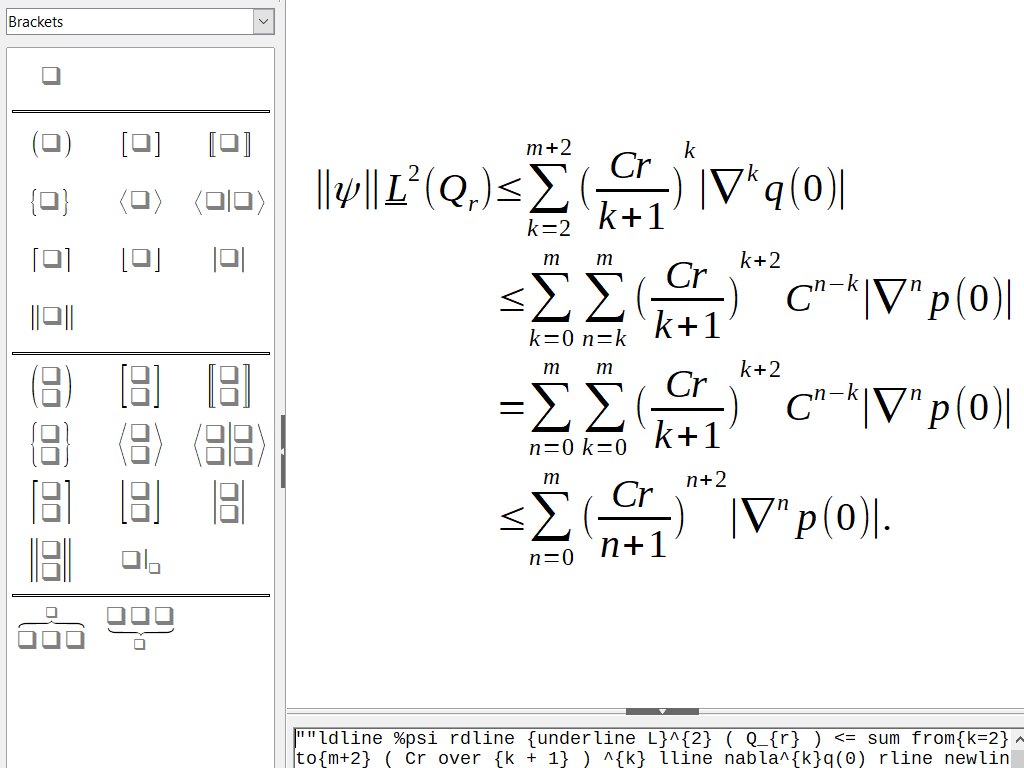
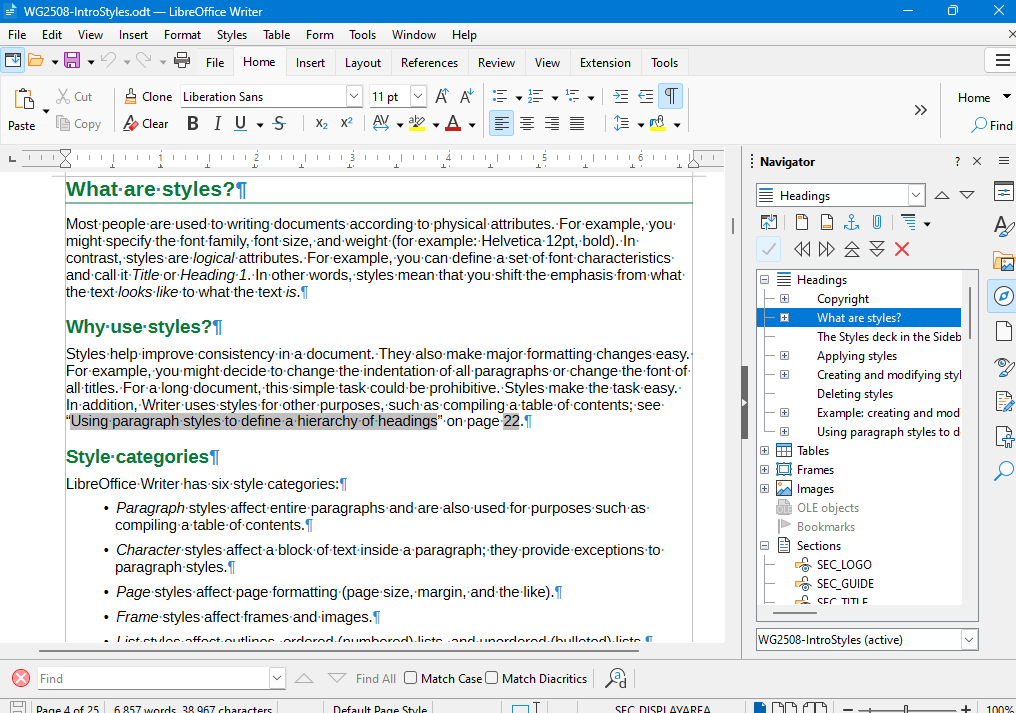
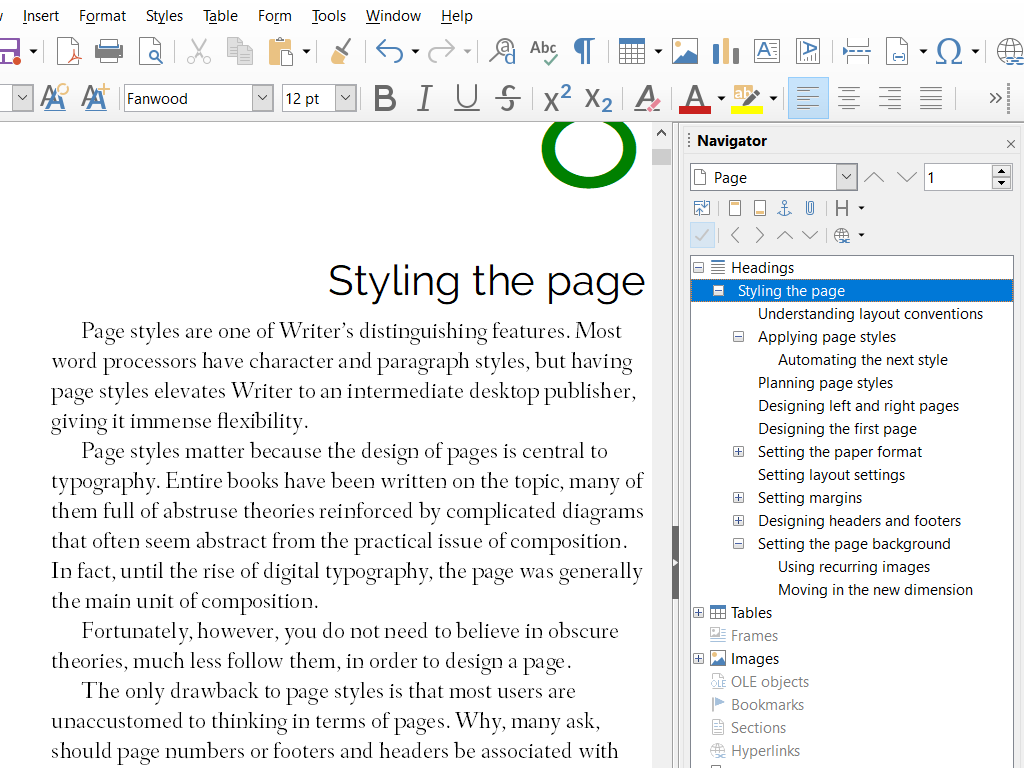
LibreOffice is a private, free and open source office suite – the successor project to OpenOffice.
It's compatible with Microsoft Office/365 files (.doc, .docx, .xls, .xlsx, .ppt, .pptx) and is backed by a non-profit organisation.

Out now: LibreOffice 25.8

Interface improvements • New spreadsheet functions • Faster file loading

Download it!

LibreOffice Conference 2025

September 4 – 6 in Budapest. Join us!

Learn more

Fantastic People

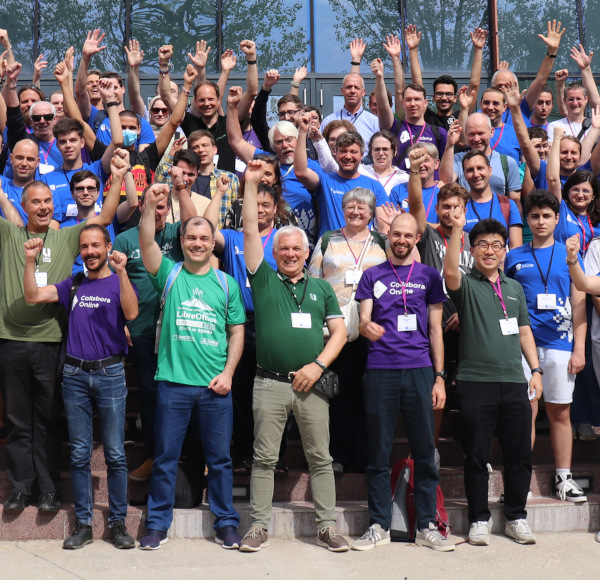
LibreOffice is about more than software. It’s about people, culture, creation, sharing and collaboration.

Join us today!

LibreOffice is Free and Open Source Software. Development is open to new talent and new ideas, and our software is tested and used daily by a large and devoted user community.

Get Involved
The Role of ODF in the Era of Digital Identity and Authentication

Digital identity has become an integral part of everyday life. We use it to access work tools and sign documents online, and it is even replacing physical identity cards. However, most discussions on the subject focus on authentication systems, encryption and biometrics, ignoring the formats that actually carry our information.

read more »

Announcement of LibreOffice 25.8.4

Berlin, 18 December 2025 – LibreOffice 25.8.4, the fourth minor update to the free office suite developed by volunteers for personal productivity in office environments on Windows, MacOS and Linux, is now available from the download page. With LibreOffice 25.2 reaching the end of life on 30 November, and the

read more »

The Role of ODF in the Era of Digital Identity and Authentication

Digital identity has become an integral part of everyday life. We use it to access work tools and sign documents online, and it is even replacing physical identity cards. However, most discussions on the subject focus on authentication systems, encryption and biometrics, ignoring the formats that actually carry our information.

read more »

The Easiest Performance Boost? 5 Reasons to Upgrade Firebird Now

Developers and database administrators often operate under a common assumption: unlocking powerful new software features requires significant, time-consuming, and expensive development work. New capabilities frequently sit on the shelf, waiting for the budget and time to rewrite applications to take advantage of them.This assumption, however, doesn't always hold true. Recent versions of the

read more »